Join Our SMS List

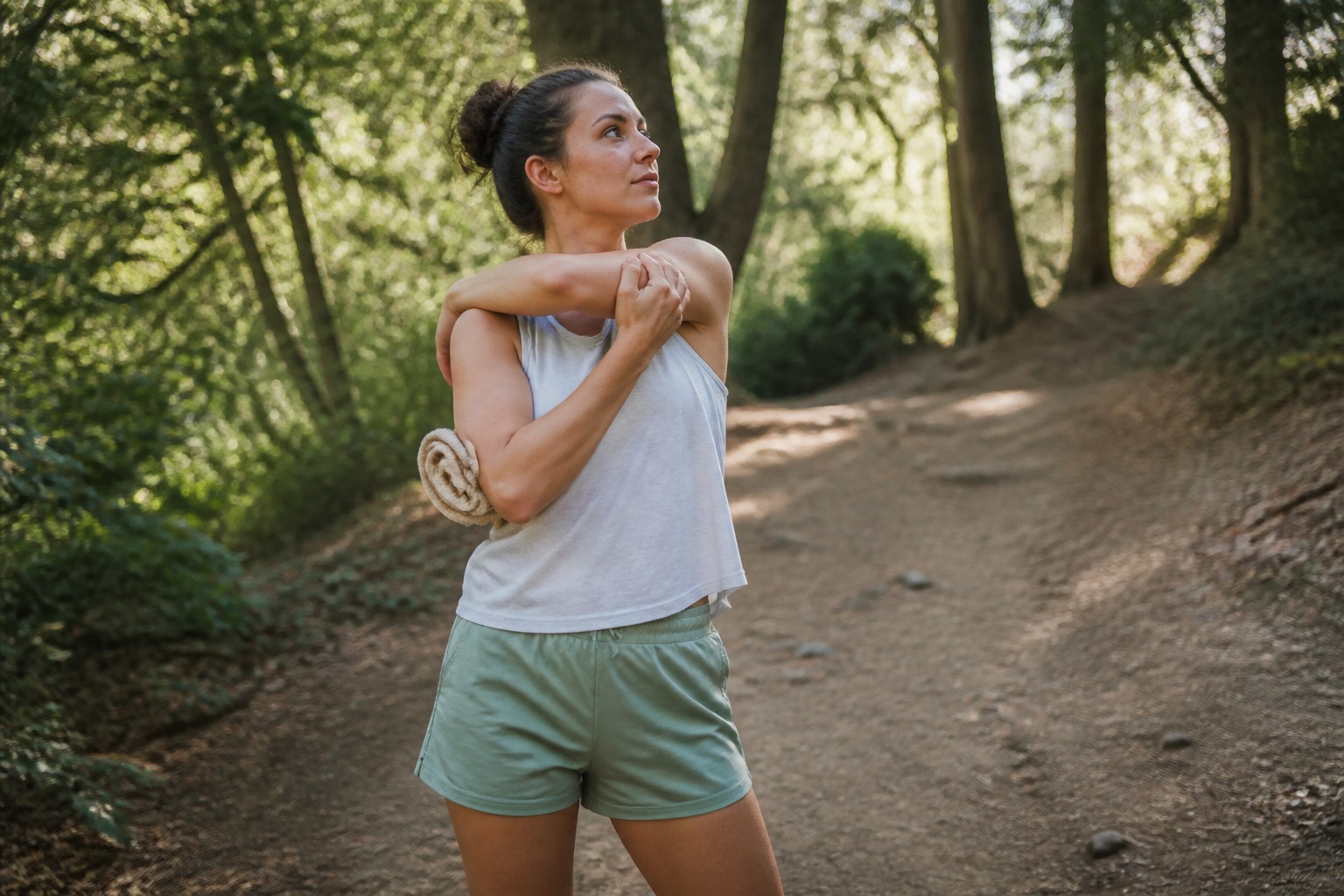
Nobody is watching you
The most common thing we hear after a first class is that it was less intimidating than expected. Groups stay small, the hiking pace is set by conversation rather than a clock, and instructors cue two or three versions of every posture so you can take the one your body wants that day. Nobody is grading your warrior pose. The only requirement is showing up ready to walk and listen.
About that word, yoga
You do not need a practice, flexibility, or your own mat. Most first-timers spend the yoga segment in standing poses, hip openers, and breathing, done in hiking clothes on a towel. If you have taken studio classes, you will notice the sequences are shorter and built around whatever the climb just did to your legs. If you have never taken a class at all, you will still recognize when something feels useful.
How hard the hike actually feels
Beginner and park formats stay conversational. If you can talk in full sentences on an uphill walk, you are in range. Trail and overlook formats add more climbing, but the group still regroups at junctions. Falling behind for twenty seconds is normal. Getting left alone on the mountain is not how these classes are run.
What to say at check-in
Tell the instructor it is your first class. That one sentence changes where they put you in the line and how often they glance back. Mention knees, ankles, or balance issues the same way. Instructors would rather hear it at the trailhead than invent modifications mid-climb.
After the class
Most people leave sore in a useful way, not destroyed. Drink the rest of your water, change shoes if you brought street ones, and book the next session while the route is still in your head. If you want the gear list broken down by city or retreat, the packing guide is linked below.
.webp)
